Interior vs Exterior Painting: Key Differences Every Homeowner Should Know from a Painting Company Florida

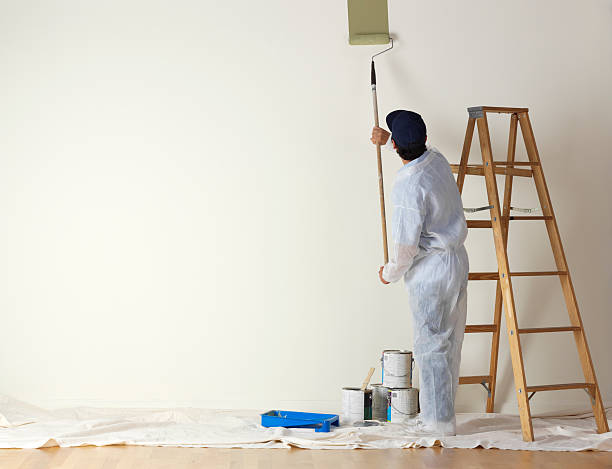
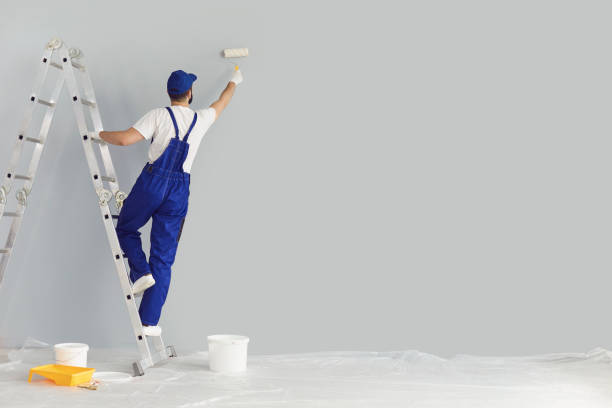
House painter beginning to paint a large wall A man dressed in coveralls, uses a paint roller on a long stick to paint a large wall. A nearby ladder waits in case the painter needs to paint the higher points on the wall. Several paint cans sit on the painter's cloth draped over a hardwood surface. A large expanse of empty wall is available for copy. house painters stock pictures, royalty-free photos & images

When it comes to painting your home, understanding the differences between interior and exterior painting is essential. Both serve distinct purposes, require different materials, and involve unique preparation processes. Before diving into your next project, it’s important to familiarize yourself with these key differences to make informed decisions.

Purpose of Interior Painting

  • Create a specific mood or ambiance within a room
  • Protect walls from wear and tear
  • Cover imperfections such as stains or cracks
  • Increase property value by making spaces look updated and clean

Purpose of Exterior Painting

  • Protecting the building’s structure from environmental factors like moisture, UV rays, and temperature fluctuations
  • Preventing rot or damage caused by prolonged exposure to rain or snow
  • Boosting curb appeal by giving the property a fresh, well-maintained appearance
  • Sealing surfaces against pests such as termites or ants that may infiltrate through cracks in wooden exteriors

Types of Paints Used for Interior vs Exterior Projects

Aspect Interior Paints Exterior Paints
Durability Not exposed to extreme elements Resistant to harsh weather conditions
Finish Options Matte, satin, eggshell finishes Focused on longevity over aesthetics
Chemical Makeup Lower toxicity for indoor air safety Includes additives like UV blockers

Application Techniques

  1. Ensure proper ventilation during application to minimize inhalation of paint fumes.
  2. Use painter’s tape around trims and ceilings for cleaner edges.
  3. Test colors on walls before committing fully as lighting can alter their appearance.
  4. Power wash surfaces beforehand to remove debris and dirt.
  5. Apply primer specifically designed for outdoor use.
  6. Work during mild weather conditions; avoid extreme heat or cold which may impact drying time.

Challenges Homeowners May Face

Painting interiors often presents challenges such as ensuring even coverage in poorly lit rooms or managing furniture placement during preparation. On the other hand, exterior painting comes with its own set of difficulties due to unpredictable weather changes or dealing with textured surfaces like stucco siding.

By understanding these core differences between interior and exterior painting projects, you’ll be better equipped to choose appropriate materials, plan effectively, and achieve lasting results tailored specifically for your home’s needs.

Discover the Purpose and Benefits of Interior and Exterior Painting with Florida Painters

Painting is one of the most effective ways to transform a space, whether inside or outside your home. However, interior and exterior painting serve distinct purposes and offer unique benefits tailored to their specific applications. Below is an in-depth exploration of why these two types of painting are essential for homeowners.

The Purpose of Interior Painting by House Painters Florida

Interior painting focuses on enhancing the aesthetic appeal and functionality of indoor spaces. It goes beyond color selection by addressing factors such as light reflection, mood setting, and room size perception. A fresh coat of paint can completely rejuvenate a room’s atmosphere while fulfilling practical needs.

  • Aesthetic improvement: Enhances visual appeal by introducing cohesive or contrasting color schemes.
  • Mood creation: Different colors evoke specific emotions, e.g., blues for calmness or yellows for energy.
  • Personalization: Reflects personal style preferences or complements furniture and decor.
  • Protection: Offers an additional layer to walls against minor wear-and-tear like scuffs or stains.

The Benefits of Interior Painting Services Florida

  1. Improved Indoor Air Quality
    Many modern paints are low-VOC (Volatile Organic Compounds), reducing harmful emissions indoors, making it safer for your family’s health.
  2. Increased Property Value
    Neutral-colored interiors with well-applied paint can make properties more appealing to buyers.
  3. Easy Maintenance
    Painted walls are easier to clean compared to unpainted surfaces like raw drywall or plaster.
  4. Space Transformation
    Light hues can make small rooms appear larger, while richer tones add depth to larger spaces.

Enhance Your Home with Interior & Exterior Painting Florida

Exterior painting plays a vital role in protecting your home from environmental elements while boosting its curb appeal. Unlike interior painting, it prioritizes durability over aesthetics (although both are important).

  • Weather resistance: Shields your home from rain, UV rays, wind, and temperature fluctuations.
  • Structural protection: Prevents damage caused by moisture penetration, mold growth, or wood rot.
  • First impressions: Enhances the visual appeal of your property from the outside.
  • Longevity: Prolongs the lifespan of building materials like wood siding, stucco, or brick.

The Benefits of Exterior Painting

  1. Enhanced Curb Appeal
    A freshly painted exterior increases a home’s attractiveness, making it stand out in the neighborhood.
  2. Protection Against Weather Damage
    High-quality exterior paints create a waterproof barrier that prevents peeling or cracking caused by harsh weather conditions.
  3. Energy Efficiency
    Using light-colored paints can reflect heat better during summer months, helping lower cooling costs.
  4. Increased Property Value
    An exterior that looks well-maintained signals buyers that structural care has been prioritized over time.

Interior vs Exterior Paint: A Summary Table

Feature Interior Paint Exterior Paint
Primary Goal Aesthetic enhancement Protection & curb appeal
Durability Focus Scratch resistance Weather resistance
Composition Low-VOC formulas for indoor air quality High durability & UV-resistant formulas
Appearance Priorities Smooth finish with varied textures Long-lasting adhesion across rough surfaces

Understanding the purpose and benefits behind interior and exterior painting empowers homeowners to make informed decisions during their projects—whether improving their living environment or safeguarding their property’s structural integrity over the years ahead.

Paint Formulation and Material Differences for Maximum Durability

When it comes to interior and exterior painting, the choice of paint formulation and materials plays a pivotal role in determining the durability and long-term performance of the finish. Understanding these differences can help homeowners select the best products for their projects and ensure lasting results. Below, we’ll discuss key distinctions in paint formulations for interior vs. exterior applications, as well as materials designed to withstand specific conditions.

Key Components of Paint Formulation

All paints are composed of four primary ingredients:
1. Pigments – Provide color and coverage.
2. Binders – Hold pigment particles together and adhere them to surfaces.
3. Solvents – Allow ease of application by controlling paint consistency (e.g., water or oil-based).
4. Additives – Enhance specific properties, such as UV resistance or mildew prevention.

While these components are present in both interior and exterior paints, their proportions and additives differ significantly.

Differences Between Interior and Exterior Paints

Feature Interior Paint Exterior Paint
Durability Factors Resistant to cleaning, stains, scuffs Weather-resistant (rain, UV rays)
Flexibility Less flexible; optimized for smoothness High flexibility to handle expansion/contraction due to temperature changes
Additives Included Focused on stain resistance & easy washing Mold/mildew inhibitors & UV blockers
VOC Levels Lower VOCs for indoor air quality Often higher VOC levels for toughness outdoors

Materials Designed for Maximum Durability

  • Interior Paint: Usually crafted with a smoother finish (e.g., eggshell or satin) that’s easy to clean while maintaining aesthetics in high-traffic areas like kitchens or living rooms.
  • Exterior Paint: Engineered with stronger binders that can withstand harsh weather conditions such as rain, snow, or direct sunlight without cracking or fading.

Choosing Between Oil-Based vs Water-Based Paints

  1. Water-Based (Acrylic/Latex):
    • Commonly used for both interior and exterior surfaces.
    • Quick drying with low odor.
    • High adaptability to a variety of surfaces.
  2. Oil-Based:
    • Preferred where longer-lasting finishes are required.
    • Provides superior adhesion but dries slowly.
    • Better suited for metal railings or wood trim outdoors but requires proper ventilation when used indoors.

Tips for Maximizing Durability

  • Select high-quality primers compatible with your paint type (interior/exterior). Priming enhances adhesion while sealing porous surfaces like drywall or wood.
  • Match surface-specific products with the environment; e.g., use fade-resistant exterior paint on sunny walls facing south or west.
  • Apply at least two even layers after preparation—thin coats bond better than a single thick coat.
  • Avoid painting during extreme weather conditions such as high humidity or freezing temperatures when using exterior products.

By understanding these essential differences in formulations and applying them smartly, homeowners can ensure beautifully painted interiors and exteriors that stand the test of time with minimal maintenance effort.

Common Mistakes Homeowners Make During Painting Projects and How to Avoid Them

Painting projects can transform a space, but even the most enthusiastic DIYers can make mistakes that compromise the final outcome. Understanding and avoiding these common errors can save time, money, and frustration. Below, we discuss frequent painting mistakes and provide actionable ways to avoid them.

Skipping Surface Preparation

Proper surface preparation is critical for a smooth and long-lasting finish. Many homeowners skip this step in a rush to start painting, leading to uneven surfaces or poor paint adhesion.

Common Issues:

– Paint peeling or flaking due to dirt or grease on walls.

– Uneven texture caused by unpatched holes or cracks.

– Stains bleeding through the paint.

How to Avoid:

1. Clean surfaces thoroughly with soap and water or a degreaser.

2. Fill in cracks, holes, or dents using spackle, then sand for a smooth finish.

3. Use a high-quality primer to seal stains and ensure even paint application.

Using Low-Quality Tools

The tools you use can significantly impact the quality of your work. Cheap brushes or rollers often lead to streaks or uneven coverage.

Common Issues:

– Visible brush strokes on walls.

– Rollers shedding lint into fresh paint.

– Difficulty achieving clean edges without painter’s tape.

How to Avoid:

– Invest in high-quality brushes that are appropriate for your chosen type of paint (e.g., natural bristles for oil-based paints).

– Use lint-free rollers for smooth application.

– Always have painter’s tape on hand for clean edgework.

Choosing the Wrong Paint Type

Painter 1 Painter and decorator working. house painters stock pictures, royalty-free photos & images

Selecting the correct type of paint is essential for durability and aesthetics. Some homeowners mistakenly use interior paints outside or vice versa due to cost concerns or lack of knowledge.

Common Issues:

– Interior paint fading quickly when used outdoors.

– Walls failing to withstand moisture in high-humidity areas like bathrooms.

How to Avoid: | Area | Recommended Paint Type | |——————|————————————| | Exterior Walls | Weather-resistant exterior paint | | Bathrooms/Kitchens | Moisture-resistant semi-gloss | | Living Areas | Matte or eggshell finishes |

Take time to research the best formulations for your specific needs before purchasing any products.

Overlooking Proper Drying Times

Rushing through layers without allowing adequate drying time is another common mistake that leads to smudging, streaking, or uneven coloring.

Common Issues: – Paint pulling away when applying additional coats too soon. – Sticky surfaces that take longer than expected to cure fully.

How To Avoid:

1. Follow manufacturer-recommended drying times printed on paint cans.

2. Allow increased drying times in humid conditions.

3. Patience is key—ensure each coat is fully dry before applying another layer.

Neglecting Safety Precautions

Painting might seem harmless, but working with fumes and potentially hazardous materials requires proper safety measures.

Common Issues:

– Respiratory issues from inhaling fumes during prolonged exposure.

– Accidental spills causing damage to furniture and floors.

How To Avoid:

1. Work in well-ventilated areas by opening windows/doors or using fans if possible.

2. Wear protective gear such as gloves, masks (for fume protection), and goggles when necessary.

3. Cover floors with drop cloths and remove valuable items from work zones before starting your project.

By addressing these common pitfalls early on, homeowners can achieve professional-looking results while minimizing frustration during their painting projects—proving that preparation is as important as execution when it comes to home improvement tasks like painting.

Common Mistakes Homeowners Make During Painting Projects and How to Avoid Them

Painting projects can transform the look and feel of a home, but without proper planning and execution, they can also lead to frustration, wasted time, and increased costs. Many homeowners unknowingly make mistakes that compromise the final result. Here are some of the most common errors during painting projects and practical steps to avoid them.

1. Skipping Proper Surface Preparation

A common pitfall is neglecting surface prep before applying paint. This results in poor adhesion and uneven finishes.

  • Failing to clean walls properly or remove dirt, grease, or stains.
  • Ignoring the need for sanding rough patches or peeling paint.
  • Not using primer on surfaces that require it.
  • Always clean the surface with soap and water to remove debris or with specialized cleaners for greasy areas like kitchens.
  • Sand lightly on uneven spots and fill cracks with spackle for a smooth base.
  • Use primer for porous surfaces (e.g., drywall) or those previously painted in darker colors.

2. Choosing the Wrong Paint Type or Finish

Selecting an inappropriate paint type can cause issues such as poor coverage, durability problems, or mismatched aesthetics.

  • Using interior paint on exterior surfaces (or vice versa).
  • Opting for flat finishes in high-traffic areas prone to stains or moisture buildup (like kitchens or bathrooms).
  • Solutions:
    | Area | Recommended Paint Type | Suggested Finish | |———————–|——————————|————————–| | Living Rooms | Interior latex/acrylic paint | Eggshell/Satin | | Kitchens/Bathrooms | Moisture-resistant paints | Semi-gloss/Gloss | | Exterior Walls | Weather-resistant paints | Matte/Satin |

3. Underestimating Paint Quantity Needs

Underestimating how much paint is required often leads to color inconsistencies if additional batches are purchased later.

  • Guessing instead of calculating accurate measurements.
  • Buying too little initially and needing to “color match” new cans later.
  • Measure your walls by multiplying height by width for each surface area (subtracting windows/doors). Divide by the coverage rate listed on the paint can.
  • Purchase a little extra for touch-ups rather than under-buying.

4. Ignoring Temperature and Humidity Levels

Environmental factors play a significant role in how well paint adheres and dries.

  • Painting under extreme heat, cold, or high humidity.
  • Not allowing enough drying time between coats due to impatience.
  • Check product labels for recommended temperature ranges (typically between 50°F–85°F). Avoid painting during rainy weather for exterior projects.
  • Allow ample drying time as recommended—rushing this step often causes streaks or peeling later on.

5. Using Inadequate Tools

Relying on low-quality brushes or rollers can lead to uneven application lines, bristle marks, or excessive splattering.

  • Using one-size-fits-all tools instead of appropriate ones tailored for specific tasks.
  • Ignoring protective equipment like painter’s tape or drop cloths that prevent messes during application.
  • Solutions: Checklist of Essential Tools:
    ✓ High-quality synthetic brushes (for latex paints) & natural-bristle brushes (for oil-based paints).
    ✓ Rollers matched with a correct nap length per surface type (smooth vs textured walls).
    ✓ Painter’s tape & drop cloths/plastic sheeting covering furniture & floors effectively reduce cleanup efforts post-paintwork completion).

By recognizing these common pitfalls early on—and taking proactive measures—you’ll ensure smoother processes yielding professional-grade finishes regardless whether undertaken independently/hiring expertise support assistance aligning best practices recommendations avoiding rework cost overruns down project lifecycles end!

Why Hiring Professional Painters Can Make a Difference in Your Project

When tackling a painting project, the decision to hire professional painters can significantly impact the outcome. While some homeowners may be tempted to save costs by handling the work themselves, professional painters bring expertise, efficiency, and precision that ensure a high-quality finish. Here’s why hiring professional painters is often worth the investment.

Expertise and Skill

  • Assess specific paint types suitable for various surfaces.
  • Identify issues such as moisture damage or uneven textures that need addressing before painting.
  • Apply paint evenly for a flawless, streak-free finish.
  • Use specialized techniques like faux finishes or custom patterns when requested.

Professionals also stay updated on the latest tools, methods, and trends in painting, which translates into superior results for your project.

Time Efficiency

Task Estimated Time (DIY) Professional Time Estimate
Preparing surfaces 4–6 hours 1–3 hours
Taping and priming 2–4 hours 1–2 hours
Painting (single coat) 5+ hours per room 2–3 hours per room

Professionals work with speed and efficiency due to their experience and access to proper tools. What might take a DIYer days could be completed by professionals in a fraction of the time without compromising quality.

Cost Effectiveness

  • Reduced waste: Professionals calculate exactly how much paint is needed.
  • Fewer mistakes: Avoid common errors like uneven coats or improperly prepared surfaces that may require costly fixes later.
  • Access to quality materials: Professionals often get discounts on high-grade paints and tools unavailable at retail pricing.

Safety Considerations

Painting projects—especially exterior ones—can involve potential hazards such as working at heights or exposure to chemicals. Professional painters are trained in safety protocols and use appropriate equipment like scaffolding or protective gear to minimize risks.

For example:

– Exterior painting often requires ladders or scaffolds that carry fall risks when not used correctly.

– Spraying equipment sometimes generates fine particles requiring respirators to avoid inhalation hazards.

By hiring professionals, you avoid potential accidents while ensuring adherence to safety standards throughout the process.

Guarantees and Warranty

Most reputable painting companies offer guarantees or warranties for their work. This means if there are any issues with peeling paint, uneven finishes, or improper applications within a specified period after completion, they will address these problems at no additional cost. Such assurances provide peace of mind and demonstrate confidence in their workmanship.

Enhanced Curb Appeal and Property Value

A professionally painted property not only looks polished but can also increase its value. For homeowners looking to sell, this can be especially advantageous as buyers are more likely to be drawn to homes with well-executed finishes both inside and out. A fresh coat of expertly applied paint enhances curb appeal while signaling proper maintenance—a factor that resonates positively with potential buyers.

Hiring professional painters brings multiple benefits: from skillful execution and efficiency to safety assurances and long-term cost savings. While DIY painting projects may seem manageable initially, enlisting experts ensures that every aspect of your project meets high standards while saving time and effort on your part.

Top Colour Trends for Homes: Painting and Decorating Ideas for 2025

The year 2025 is shaping up to be an exciting one for home design enthusiasts, with colour trends reflecting a mix of timeless elegance and modern vibrancy. Whether you’re updating your living spaces or preparing your home’s exterior, understanding these trends can help you create a stylish and harmonious environment.

Key Colour Trends for 2025

  1. Earthy Warm Tones
    Neutral shades are evolving to include warmer undertones. Expect to see colours like terracotta, sandy beige, and cinnamon dominating interior spaces. These hues create a welcoming atmosphere and pair perfectly with natural wood accents.
  2. Deep Moody Shades
    Darker, dramatic colours such as forest green, charcoal black, and navy blue are gaining popularity in both interiors and exteriors. These shades add depth to any room or façade while maintaining a sophisticated edge.
  3. Soft Pastels with a Twist
    Pastel colours are making a comeback but with richer saturation than before. Think of muted peach, dusty lilac, or soft sage green—shades that exude charm without being overly delicate.
  4. Nature-Inspired Greens
    Biophilic design continues to influence paint choices in 2025. Olive green, moss green, and eucalyptus tones create serene environments while connecting indoor spaces to the natural world.
  5. Bold Accent Colours
    Vibrant hues such as coral pink, mustard yellow, and cobalt blue are ideal for accent walls or statement furniture pieces. These colours energize spaces when used thoughtfully in contrast with neutrals.

Tips for Incorporating 2025 Colour Trends

  • Layering Neutrals: Combine warm neutrals like beige or taupe with brighter accent pieces to maintain balance.
  • Zone Your Colours: Use different shades to define zones in open-plan layouts (e.g., earthy tones in the living area versus cool greens in the study).
  • Combine Textures: Pair trendy paint colours with textured materials such as stone tiles or woven fabrics to add depth.
  • Focus on Lighting: Test paint samples under various lighting conditions before committing; some trendy shades may look different under artificial versus natural light.

Popular Combinations for Different Rooms

Room Recommended Colour Palette Suggested Accents
Living Room Sandy beige + olive green Brass fixtures; wooden furniture
Kitchen White + deep navy Copper hardware; patterned tiles
Bedroom Muted peach + soft sage Linen curtains; ceramic decor
Bathroom Dusty lilac + charcoal Matte black fixtures; marble surfaces
Office/Study Forest green + terracotta Leather chairs; metallic desk lamps

Exterior Colour Inspiration

  • Pair creamy off-white walls with dark brown trim for timeless appeal.
  • Experiment with charcoal grey siding complemented by bold red doors for a modern twist.
  • Go natural by using earthy greens or browns that blend harmoniously with outdoor landscapes.

Applying these colour trends thoughtfully can elevate your home’s aesthetics while keeping it relevant beyond 2025—making it not just fashionable but also enduringly beautiful.


A Comprehensive Guide from a Trusted Painting Company Florida on How Often to Repaint Your House

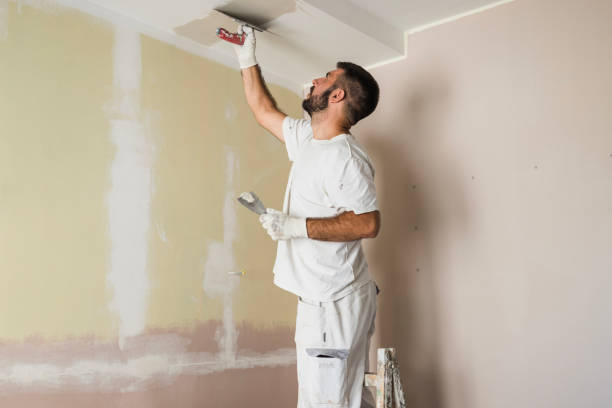
House painter painting ceiling Young man in white uniform painting ceiling house painters stock pictures, royalty-free photos & images

Repainting your home is an essential part of its maintenance and upkeep. Not only does it enhance curb appeal, but it also protects surfaces from wear and tear caused by environmental factors. However, determining when to repaint can vary depending on a range of factors such as material type, climate conditions, and paint quality. This guide provides a detailed look at how often you should repaint your house based on these key considerations.

Factors That Affect Repainting Frequency

  1. Wood Siding: Requires repainting every 3–7 years due to its susceptibility to moisture and sun damage.
  2. Stucco: Usually needs repainting every 5–10 years depending on weather conditions and the quality of the paint.
  3. Brick (Painted): Can last 15–20 years before needing a refresh if well-maintained.
  4. Vinyl Siding: Generally durable, but may need painting every 10 years for color retention.
  5. Climate Conditions Homes exposed to extreme weather—such as frequent rain, harsh sunlight, or salty air in coastal areas—typically require more frequent repainting due to accelerated wear.
  6. Quality of Paint High-quality paints with advanced formulas tend to last longer than cheaper alternatives:
  7. Premium latex paints: Offer durability for both interior and exterior applications.
  8. Oil-based paints: Excellent for wood surfaces but may require touch-ups over time.
  9. Application Technique A professional-grade application ensures proper coverage and adhesion, which contributes significantly to the lifespan of the paint job.

General Guidelines for Interior and Exterior Painting

Type of Surface Recommended Repainting Interval
Interior Walls Every 5–7 years (varies by room usage)
Ceilings Every 10+ years unless stained or damaged
Trim and Baseboards Every 2–4 years
Exterior Wood Siding Every 3–7 years
Exterior Stucco/Plaster Every 5–10 years
Exterior Vinyl or Aluminum Siding Approximately every 10 years

Signs That Indicate It’s Time to Repaint

  • Cracking or Peeling Paint
    This occurs when moisture penetrates layers of old paint, particularly on wood siding. It’s essential to address this quickly to prevent further damage.
  • Fading or Discoloration
    UV exposure can cause colors—especially darker shades—to fade over time, making your home look aged.
  • Blistering or Bubbling Paint
    These defects are typically caused by trapped moisture or improper surface preparation prior to painting.
  • Chalky Residues on Walls
    If you notice a powdery substance when you touch painted walls (often seen outdoors), it’s an indication that the paint is deteriorating.

Tips for Extending Your Paint’s Longevity

To maximize the lifespan of your next paint job:

– Use high-quality primer before applying the final coat.

– Choose weather-resistant paints specifically designed for exterior use.

– Perform regular maintenance, such as cleaning walls annually and addressing minor chips promptly.

– Keep gutters clean and ensure proper drainage around your home’s foundation to prevent water damage.

By adhering to these guidelines and understanding critical factors that affect paint durability, you can ensure your home remains vibrant and well-protected for years to come.

How to Recognize When to Call House Painters Florida for a Repaint

Painting your home is not just about aesthetics—it also plays a vital role in protecting your property from natural elements, wear, and tear. Knowing when to repaint is essential to maintaining the value and longevity of your home. Below are some key indicators that it’s time to give your home a fresh coat of paint.

1. Peeling or Cracking Paint

One of the most obvious signs that your house needs repainting is peeling, flaking, or cracking paint. This often occurs due to prolonged exposure to moisture, harsh sunlight, or poor-quality paint. If left unattended, exposed surfaces can lead to issues such as wood rot or rust on metal fixtures.

Causes of Peeling Paint:

– Poor surface preparation before the previous painting

– Use of low-quality paint products

– Exposure to extreme temperatures or high humidity levels

2. Fading Colours

Fading colours are a clear sign that the paint has lost its protective properties. While this may not directly damage your walls at first, it indicates that UV rays and weather conditions have taken their toll on the exterior or interior surfaces.

Key Areas Prone to Fading:

– South-facing walls (due to heightened sun exposure)

– Areas frequently exposed to rain and snow

– Indoor spaces with high natural light intake

To maintain vibrant colours on exteriors, consider using UV-resistant paints for better longevity.

3. Chalking Surfaces

Chalking occurs when a fine powder-like residue appears on painted surfaces due to weathering over time. This can affect adhesion if you plan to apply a new coat of paint.

How To Test for Chalking: Run your fingers across the painted surface; if there’s a chalky residue left behind, it’s time for repainting.

4. Visible Cracks in Caulking

The caulking around windows and doors provides critical protection against water damage and air leaks. Over time, this material may dry out, crack, or shrink.

When To Act:
– If cracks are noticeable near trim or joints.

– When caulk appears brittle upon inspection. Repainting after repairing caulking ensures both aesthetic improvement and better insulation.

5. Stains or Discolouration

Water stains caused by leaks or mould growth can ruin the appearance of walls while also indicating underlying issues like plumbing problems or roof damage.

Common Sources of Stains:

– Leaky gutters

– Roof leaks causing ceiling discolouration

– Indoor moisture from poor ventilation

Before repainting areas affected by stains, resolve any underlying issues such as fixing leaks and cleaning mould growth.

6. Outdated Paint Colours

Sometimes it’s not about wear but simply wanting a refreshed look for modern appeal! Trends in colour schemes evolve over time—what looked stylish five years ago may appear outdated today.

Considerations for Colour Updates:
– Neutral tones for timeless appeal (e.g., beige, grey) – Accent walls for added personality indoors
– Earthy tones like olive green or terracotta for exteriors

Table: General Timeline for Repainting by Surface Type

Surface Type Recommended Timeframe Notes
Exterior Walls Every 5–7 years Depends on climate and sun exposure
Interior Walls Every 5–10 years High-humidity rooms may need more frequent updates
Wooden Surfaces Every 3–7 years Ensure proper priming beforehand
Metal Surfaces Every 5 years Focus on preventing rust

Keeping an eye out for these signs can save you money in costly repairs down the line while ensuring your home remains as beautiful as it is protected from external elements. Preventative maintenance combined with timely repainting allows homeowners to enjoy durable results over time without compromising safety standards within their environment.

Expert Tips for Choosing the Perfect Paint Colours with Painting Services Florida

Choosing the perfect paint colours for your home can transform its ambiance, enhance its aesthetic appeal, and even improve your mood. However, with so many options available, selecting the right palette can feel overwhelming. Below are expert tips to help you make informed decisions when choosing paint colours.

1. Consider the Room’s Purpose

  • Living Room: Opt for warm tones like beige, light gray, or soft pastels to create a welcoming and cozy environment.
  • Kitchen: Bright colours like yellows or whites can evoke energy and cleanliness.
  • Bedroom: Cool shades such as lavender, blue, or soft green are calming and encourage relaxation.
  • Home Office: Neutral tones paired with subtle accents can foster focus and productivity.

2. Assess Lighting Conditions

Lighting significantly affects how a paint colour appears in a space.

Before finalizing your choice:

– Test samples under different lighting conditions—natural daylight, artificial warm light, and cool light.

– Keep in mind that darker shades tend to absorb light, making spaces feel smaller or more intimate.

– Lighter colours reflect more light and can make rooms appear larger.

3. Use Colour Psychology

Colors evoke specific emotions and moods. Consider these psychological effects when selecting shades:

Red: Stimulating and energetic; ideal for dining rooms but best avoided in spaces meant for relaxation.

Blue: Promotes calmness; great for bedrooms or bathrooms.

Green: Balances freshness with serenity; suitable for almost any room.

Yellow: Energizing; often used in kitchens to promote happiness.

4. Harmonize with Existing Décor

Your paint should complement existing furniture, artwork, flooring, or architectural details.

When in doubt:

– Use samples on walls near prominent pieces of furniture to ensure cohesion.

– Avoid clashing patterns or overly bold contrasts unless you’re aiming for an eclectic look.

Paint Style Suggested Décor Pairing Ideal Setting
Monochromatic Palette Minimalist furniture styles Small spaces
Complementary Colours Bold accent pieces Living rooms or dining areas
Neutral Base + Accent Shades Textured fabrics & wood tones Bedrooms & open-concept areas

5. Take Advantage of Colour Tools

Many brands offer tools to streamline your decision-making process:

– Online visualizers let you upload photos of your space to test different colours virtually.

– Peel-and-stick samples allow you to see how a shade looks without committing immediately.

6. Don’t Forget Exterior Paint

If painting the exterior of your home is part of your project:

– Factor in environmental elements like sunlight exposure and weather patterns (e.g., heat-resistant paints may be essential in sunny regions).

– Choose colours that align with the neighborhood aesthetic while maintaining individuality.

Taking time to thoughtfully select paint colours ensures visually appealing results aligned with both personal preferences and practical considerations.

Inspirations for Stunning Interior & Exterior Painting Florida Ideas

When it comes to transforming the interiors of your home, wall painting plays a crucial role in setting the tone and ambiance for each space. Whether you seek modern minimalism, timeless elegance, or playful creativity, there are countless ways to refresh your walls and make a statement. Here are some stunning interior wall painting ideas to inspire your next project.

1. Accent Walls for Visual Impact

  • Bold Colors: Choose deep hues like navy blue, emerald green, or terracotta to create contrast in a neutral-toned room.
  • Textured Paints: Opt for textured finishes such as matte velvet or metallic sheen to add dimension.
  • Patterned Designs: Consider geometric shapes or stenciled patterns on your accent wall for a modern touch.

2. Two-Tone Walls for Balance

Two-tone walls involve dividing the wall horizontally and painting each half a different color or shade. This technique works well in living rooms, dining spaces, and bedrooms.

  • Use lighter shades on top and darker shades at the bottom for an airy feel.
  • Pair complementary colors like white with navy or blush pink with charcoal gray.
  • Add wainscoting or molding at the intersection point to enhance sophistication.
Top Color Bottom Color Suggested Rooms
Soft Beige Deep Espresso Brown Living Rooms
Light Gray Dusty Blue Bedrooms
Pale Yellow Olive Green Kitchens/Dining Areas

3. Ombre Walls for Subtle Elegance

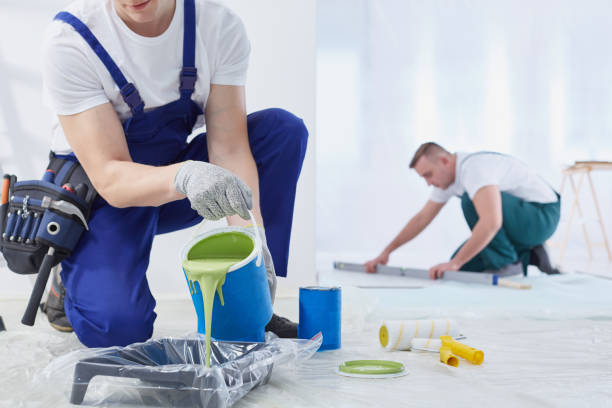
Painting the walls Man painting the walls and spilling the paint house painters stock pictures, royalty-free photos & images

Ombre painting transitions between two colors seamlessly across a single wall, creating an ethereal effect that works especially well in bedrooms or bathrooms.

Steps to Create an Ombre Look:
1. Select two compatible shades – one light and one darker from the same palette (e.g., sky blue fading into soft white).
2. Apply three horizontal sections of color (darkest at bottom), blending where they meet with a dry brush or sponge.

3. Seal with a clear coat if desired for extra durability.

4. Nature-Inspired Themes

  • Floral Murals: Intricate hand-painted flowers can bring charm to bedrooms or nurseries.
  • Earthy Tones: Use colors like olive green, sand beige, and burnt sienna inspired by natural landscapes.
  • Tree Silhouettes: Paint large tree outlines on one wall of your living space using muted shades like gray or sage green.

5. Chalkboard Walls for Functionality & Fun

  • Transform an entire wall with chalkboard paint – available in black and tinted varieties.
  • Use it as an interactive surface where notes can be written or drawings made.
  • Pair chalkboard walls with bright decor elements to keep the room vibrant yet functional.

Pro Tips When Painting Your Interior Walls

  1. Always test paint samples before committing to a shade—lighting conditions can alter how colors appear.
  2. When working with bold designs like ombre effects or murals, consider hiring professionals if you’re unsure about execution.
  3. Select high-quality paints that resist stains and wear over time; this is particularly important in high-traffic areas like hallways.

By exploring these innovative techniques and ideas tailored specifically for interior spaces, you can turn plain walls into captivating focal points while adding character throughout your home.

Durable and Vibrant Exterior Wall Painting Options to Elevate Your Home’s Look

Exterior wall painting not only enhances the curb appeal of your home but also protects it from harsh weather conditions, moisture, and other environmental factors. Choosing durable and vibrant options for exterior paint can make a significant difference in maintaining the aesthetics and longevity of your home’s exterior. Below, we explore some key considerations, types of paint finishes, and tips for a successful exterior wall painting project.

Key Features to Look for in Exterior Paint

When selecting an exterior paint, it’s important to focus on durability, weather resistance, and aesthetic appeal. Consider the following features:
Weather Resistance: Opt for paints that are specifically designed to withstand UV rays, rain, wind, and extreme temperatures.
Moisture Protection: Look for paints with waterproof or water-resistant properties to prevent peeling or bubbling caused by moisture infiltration.
Mold & Mildew Resistance: Especially in humid climates, ensure the paint has additives that prevent fungal growth.
Fade Resistance: High-quality exterior paints resist fading over time due to sun exposure.

Types of Paint Finishes for Exterior Walls

Finish Type Features Best Suited For
Matte/Flat Non-reflective; hides imperfections Older homes; walls with texture
Satin Slight sheen; easy to clean Entryways or high-traffic areas
Semi-gloss Shiny finish; highly durable Trimwork or accents
High-gloss Very reflective; extremely durable Doors, railings

Popular Paint Options for Vibrant Exteriors

  1. Acrylic Latex Paints: Known for flexibility and resistance to cracking as surfaces expand and contract due to weather changes. They are low-VOC (volatile organic compounds), making them environmentally friendly.
  2. Oil-Based Paints: These offer excellent adhesion and durability but tend to yellow over time when exposed to sunlight, making them better suited for shaded areas or trimwork.
  3. Elastomeric Paints: Ideal for stucco or masonry surfaces due to their thick consistency that fills small cracks while being waterproof.
  4. UV-Protective Coatings: Enhance color retention and prevent fading caused by prolonged sun exposure.

Tips for Elevating Your Home’s Exterior Look

To make your home stand out while ensuring long-lasting results:
– Choose colors that complement your home’s architecture as well as the surrounding environment. Neutral shades with bold accents (like navy blue with white trims) often create a timeless look.

– Test paint samples on different sections of the wall at various times of day before committing.

– Invest in proper surface preparation—cleaning dirt/mold buildup from walls ensures better adhesion.

– Consider adding contrasting colors on trims and shutters for dimension without overwhelming the overall look.

Final Thoughts

Durable exterior painting is an investment in both style and protection against external factors like sun damage or rain exposure. Selecting high-quality products tailored to your climate alongside thoughtful design choices will elevate your home’s appearance significantly while ensuring it remains resilient over time.

Understanding Sun and Moisture Damage: How It Impacts Your Paint Job

Environmental factors such as sun and moisture play a significant role in the longevity and appearance of your paint job. Over time, exposure to these elements can lead to fading, peeling, cracking, and other forms of damage. Understanding how these factors affect your home’s paint can help you take proactive steps to maintain its aesthetic appeal and structural integrity.

Effects of Sun Damage on Paint

  • Fading: Prolonged exposure to sunlight causes vibrant colors to lose their richness, often leaving surfaces looking dull.
  • Cracking and Blistering: High temperatures from direct sunlight cause the paint to expand and contract, leading to cracks or bubbles on the surface over time.
  • Surface Chalking: Sunlight can lead to chalking—a process where a powdery residue forms on painted surfaces—making walls appear uneven and dirty.

Effects of Moisture Damage on Paint

  • Peeling or Flaking: When water seeps into painted surfaces, it weakens the bond between layers of paint and causes them to peel off.
  • Mold and Mildew Growth: High levels of moisture create an ideal environment for mold or mildew growth, particularly in poorly ventilated areas like bathrooms or basements.
  • Staining: Water intrusion often leaves unsightly stains on walls or ceilings that are difficult to remove without repainting.

Recognizing Signs of Sun and Moisture Damage

Type of Damage Key Signs Likely Cause
Fading Dullness or loss of color vibrancy Long-term UV exposure
Cracking/Blistering Visible cracks or bubbles Heat expansion
Peeling/Flaking Paint layers coming off Moisture intrusion
Mold/Mildew Growth Black/green patches Excessive humidity

Preventative Measures Against Environmental Damage

  1. Choose High-Quality Paints
    Opt for paints formulated with UV-resistant properties for exterior walls. For interiors prone to humidity (e.g., kitchens), look for moisture-resistant options.
  2. Apply Protective Coatings
    Use sealants such as weatherproof coatings for outdoor surfaces or anti-mold primers indoors.
  3. Regular Maintenance
    Conduct routine cleaning of your painted walls using mild detergents; this prevents dirt buildup that exacerbates environmental damage.
  4. Improve Ventilation
    Ensure proper air circulation inside your home by installing exhaust fans in areas with high humidity.
  5. Repair Leaks Promptly
    Identify any sources of leaks (e.g., roof issues) early on and address them immediately before they affect painted surfaces.

By understanding how sun and moisture impact your home’s paint job—and following these preventative measures—you’ll ensure a long-lasting finish while maintaining your property’s overall aesthetic value.

Enhance Your Interiors with Florida Painters Using Creative Special Effects

When it comes to elevating the aesthetics of your interiors, traditional painting methods often fall short of making a space truly stand out. This is where techniques like Royale Play special effects come into play, offering creative and artistic solutions for homeowners looking to personalize their spaces. These effects not only add depth and texture to walls but also create an ambiance that transforms ordinary rooms into stunning focal points.

What is Royale Play?

Royale Play is a specialized paint finish technique designed to create textured or patterned effects on interior walls. It uses premium-quality paints and tools to deliver results that are both durable and visually striking. From metallic finishes to rustic patterns, Royale Play offers a wide range of options suitable for various design preferences.

Popular Royale Play Effects

  1. Gives walls a reflective, shimmering surface.
  2. Ideal for modern or industrial-themed interiors.
  3. Works well in spaces like living rooms, dining areas, or accent walls.
  4. Creates an aged or weathered appearance.
  5. Perfect for farmhouse-inspired or bohemian designs.
  6. Adds character and warmth to any room.
  7. Mimics the natural elegance of marble without the expense.
  8. Suitable for sophisticated interiors such as offices or luxurious bedrooms.
  9. Offers a smooth yet textured finish resembling plaster work.
  10. Complements Mediterranean or earthy design themes.
  11. Introduces fine, crisscrossed textures reminiscent of fabric.
  12. Best suited for contemporary spaces with minimalist decor.

Why Choose Special Effects?

  • Customization: Tailor the style and texture based on your personality or desired theme.
  • Luxury Appeal: Adds sophistication without needing high-end materials like stone or wood paneling.
  • Durability: High-quality paints used in these techniques are resistant to fading and wear over time.
  • Versatility: Suitable for different areas within the home — bedrooms, hallways, feature walls, etc.

Steps Involved in Creating Special Effects

Step Description
Surface Prep Clean and level wall surfaces by filling cracks and sanding imperfections.
Base Coat Apply a base coat using neutral colors that complement the chosen effect.
Effect Layer Use specialized tools (sponges, brushes) with textured paints for designs.
Finishing Touch Seal with protective coatings if required for added durability.

Tips for Using Royale Play in Your Home

  • Start Small: If you’re unsure about committing fully, try applying special effects on one accent wall first before expanding throughout an entire room.
  • Lighting Matters: Consider how natural light interacts with textured finishes; reflective paints can amplify brightness while darker tones may absorb light for a cozy feel.
  • Professional Help: Although DIY kits are available, hiring an expert ensures seamless results without uneven textures or errors.

Adding creative special effects through Royale Play is an excellent way to redefine your living space’s personality while making it uniquely yours. By understanding its diverse options and professional application process, you can achieve impeccable results that leave a lasting impression on anyone who steps into your home.

Creative Special Effects with Royale Play for Unique Interior Designs

Royale Play is one of the most versatile and sought-after painting solutions for achieving creative and unique interior designs. It allows homeowners to move beyond the monotony of plain walls by offering a wide range of textures, patterns, and finishes that transform living spaces into expressions of individuality. Below, we explore how you can leverage Royale Play to create stunning interiors.

What is Royale Play?

Royale Play is a premium range of textured paint finishes designed to provide an artistic touch to indoor walls. Known for its durability and aesthetic appeal, it offers endless possibilities for enhancing the ambiance of your home. Its water-based formula also ensures that it is eco-friendly while providing a luxurious finish.

Popular Special Effects with Royale Play

  1. Adds a sophisticated sheen to your walls.
  2. Ideal for creating a modern or industrial look in living rooms or offices.
  3. Common shades include gold, silver, copper, and bronze.
  4. Mimics the elegance of natural marble surfaces.
  5. Works well in dining areas, bathrooms, or entryways to create a classic yet contemporary vibe.
  6. Provides an antique and rustic look reminiscent of Venetian plaster walls.
  7. Perfect for creating depth in spaces like study rooms or libraries.
  8. Offers an opalescent glow with soft brush strokes visible across the surface.
  9. Great option for bedrooms where subtlety meets sophistication.
  10. Creates intricate thread-like patterns on your walls using special tools and techniques.
  11. Fits well into children’s rooms or art studios for added playfulness.

Benefits of Using Royale Play

  • Customizability: A variety of textures and finishes lets you personalize your space without constraints.
  • Durability: Resistant to common wear-and-tear issues like scratches or minor stains.
  • Premium Appearance: Instantly uplifts the aesthetic value of your interiors.
  • Eco-Friendly Options: Many variants are low-VOC (volatile organic compounds), reducing environmental impact.
  • Ease of Maintenance: Most textures can be cleaned with minimal effort using microfiber cloths or mild detergents.

Tips for Applying Royale Play

  • Ensure that your wall surface is smooth, clean, and primed before applying textured paint.
  • Work with professionals who have experience in handling specialty finishes.
  • Choose colors based on lighting conditions; darker tones work better in well-lit areas while lighter shades enhance smaller rooms.
  • Use accent walls strategically—too much texture can overwhelm smaller spaces but works beautifully as focal points in larger rooms.
Texture/Effect Ideal Space Ambiance Created
Metallic Finish Living Room/Office Modern and Sophisticated
Marble Texture Entryway/Dining Area Classic yet Contemporary
Stucco Effect Study/Library Antique and Rustic
Brushed Pearl Finish Bedroom Subtle Elegance
Weaving Patterns Children’s Room Fun & Creative

Why Choose Professional Help?

  1. They help select appropriate designs based on room size and purpose.
  2. Professionals use specialized tools required for complex textures like weaving patterns or stucco effects.
  3. They ensure flawless application without uneven patches or irregularities.

Investing time into choosing unique special effects via Royale Play can significantly elevate your home’s interior design while adding personality to every corner.


How Often Should Florida Painters Repaint the Interior of Your Home for a Fresh Look

Female house painter working on a vibrant yellow wall while using a paint roller and standing on a ladder in a fresh renovation project A mid adult woman in white overalls paints a bright yellow wall with a roller while standing on a ladder. She is focused on her craft, enhancing the home interior's aesthetic. house painters stock pictures, royalty-free photos & images

Repainting the interior of your home is one of the most effective ways to maintain its aesthetic appeal and protect your walls from wear and tear. However, knowing how often you should repaint each room depends on several factors, including room usage, exposure to sunlight, and the quality of the previous paint job. Below is a breakdown of what you need to consider when determining when to repaint.

General Guidelines for Repainting

  • Living Rooms and Dining Rooms: Every 5-7 years
    These spaces often experience less wear compared to high-traffic areas. If high-quality paint is used initially and proper care is taken (e.g., avoiding scuffs or stains), they can retain their appearance longer. Neutral colors also tend to age better in these spaces.

    • Adult Bedrooms: Every 5-8 years
      Adult bedrooms generally see less activity, so they require less frequent updates unless you’re changing your décor style.
    • Children’s Bedrooms: Every 3-5 years
      Kids’ bedrooms are subject to more wear and tear due to scratches, marks, or creative endeavors like drawing on walls.
  • Kitchens and Bathrooms: Every 3-4 years
    Kitchens and bathrooms are exposed to more moisture, grease, humidity, and temperature fluctuations than other areas in your home. To maintain a fresh look and prevent issues like peeling or staining, these rooms benefit from more frequent repainting using durable paints like semi-gloss or satin finishes.
  • Hallways and Corridors: Every 2-3 years
    These high-traffic areas are prone to scuffs, fingerprints, and general wear due to constant use by household members or guests.

Factors That Influence Repainting Frequency

  1. Quality of Paint: Premium-quality paints are designed for durability and often include features like stain resistance or washable surfaces. Investing in high-quality products can extend the time between repaints.
  2. Room Usage: High-use rooms such as kitchens, hallways, playrooms, or bathrooms will show signs of wear faster than low-use rooms like guest bedrooms.
  3. Sunlight Exposure: Direct sunlight can cause paint colors to fade over time. Rooms with large windows may require touch-ups sooner than darker spaces.
  4. Wall Condition Before Painting: Proper preparation before painting (e.g., cleaning walls thoroughly or repairing cracks) ensures better adhesion of paint layers that last longer.

Tips for Extending the Life of Your Paint Job

  • Dust walls regularly with a microfiber cloth to prevent buildup.
  • Use washable paints in high-touch areas for easier maintenance.
  • Address stains quickly with mild soap and warm water before they set.
  • Consider installing chair rails or wainscoting in hallways or dining rooms where furniture contact is common.
Room Type Suggested Repaint Frequency Recommended Finish Type
Living/Dining Room Every 5–7 years Matte or Eggshell
Adult Bedroom Every 5–8 years Matte or Satin
Children’s Bedroom Every 3–5 years Satin (easy-to-clean surfaces)
Kitchen Every 3–4 years Semi-gloss
Bathroom Every 3–4 years Semi-gloss
Hallways Every 2–3 years Satin

Keeping track of when each room was last painted will help ensure your home stays fresh-looking year-round without unnecessary touch-ups too soon after painting projects are completed.

Elevate Your Home with a Trusted Painting Company Florida Residents Rely On

Selecting the perfect paint colors for your home can completely transform the atmosphere of any room. A well-chosen color palette not only enhances the aesthetic appeal of your living spaces but also influences mood and functionality. Here’s a comprehensive guide to help you make informed choices when selecting paint colors.

Understanding Color Psychology

  • Neutral Colors (White, Beige, Gray): These create a calm, versatile backdrop that complements various decor styles. Excellent for living rooms, kitchens, and offices.
  • Warm Colors (Red, Orange, Yellow): These evoke energy and warmth. They work well in social areas like dining rooms or family rooms.
  • Cool Colors (Blue, Green, Purple): Known for their calming properties, these shades are ideal for bedrooms or bathrooms.

Tips for Selecting Paint Colors by Room

  • Living Room: Opt for neutral tones or soft earth tones to create an inviting ambiance while allowing flexibility with furniture and decor.
  • Bedroom: Use soothing hues such as light blue or lavender to promote relaxation.
  • Kitchen: Bright whites or warm yellows can give an open and cheerful vibe.
  • Bathroom: Soft greens or blues are refreshing and clean options that enhance smaller spaces.
  • Home Office: Subtle grays or off-whites improve focus without being overwhelming.

Coordinating Color Schemes

  1. Monochromatic Scheme
    Stick to variations of one color by using lighter or darker shades of the same hue. This creates a cohesive yet sophisticated look.
  2. Complementary Scheme
    Combine colors that sit opposite each other on the color wheel (e.g., blue and orange). This approach adds vibrancy but should be balanced thoughtfully.
  3. Analogous Scheme
    Pair three adjacent colors on the wheel (e.g., green, blue-green, blue) to create balance while introducing variety.
Scheme Type Description Best For
Monochromatic Varied shades of one hue Minimalist aesthetics
Complementary Opposite hues on the wheel Bold design statements
Analogous Adjacent hues on the wheel Soft transitions between spaces

Using Accent Walls Effectively

Incorporating an accent wall is an excellent way to add dimension without overwhelming a room. Choose a bold complementary color for one wall while keeping others neutral to maintain balance.

Testing Paint Samples

Before committing to a shade:

1. Purchase small sample pots.

2. Apply swatches on walls in different lighting conditions — natural daylight versus artificial light often changes perception.

3. Allow samples to dry completely before evaluating as some paints darken slightly after drying.

Final Considerations

When selecting paint colors:

– Consider existing furniture and decor — ensure your chosen palette complements them.

– Think about long-term trends versus personal preference; timeless tones might suit resale value better than trendy options.

Choosing the right paint colors can dramatically elevate your interior design while reflecting your personal style effectively when done thoughtfully.

Professional Advice from House Painters Florida for a Flawless Finish on Walls and Ceilings

Achieving a professional-grade finish when painting walls and ceilings requires careful preparation, attention to detail, and the right techniques. Below are expert tips to help ensure your painting project yields smooth and long-lasting results.

1. Prioritize Surface Preparation

A flawless finish begins with proper surface preparation. Before applying paint, ensure your surfaces are clean, dry, and free of imperfections.

  • Wash the walls: Remove dirt, grease, or grime using a mild detergent solution. Allow them to dry completely before proceeding.
  • Patch holes and cracks: Use a quality spackling compound or filler to repair dents, nail holes, or cracks in the surface. Sand the area once it dries for a smooth finish.
  • Sand uneven surfaces: Use fine-grit sandpaper to gently smooth out rough patches or peeling paint edges. This step ensures better adhesion for your new coat of paint.
  • Prime if necessary: For uneven surfaces or drastic color changes, apply a high-quality primer to create an even base.

2. Invest in Quality Tools

Using the right tools is essential for achieving professional results. Low-quality brushes or rollers can leave streaks or uneven textures behind.

Here’s what you’ll need: | Tool | Purpose | |———————–|———————————————–| | High-quality brushes | For cutting in edges and detail work | | Roller frames & covers| For uniform application on larger surfaces | | Painter’s tape | To ensure clean edges on trim or corners | | Drop cloths | Protecting floors and furniture from drips |

3. Use Proper Painting Techniques

Mastering specific painting techniques can make all the difference between an amateur job and a flawless result.

  • Cut in first: Start by painting along the edges of walls and around trim with an angled brush before using a roller on larger sections.
  • Roll in “W” patterns: Apply paint using overlapping “W” shapes to prevent roller marks while ensuring even coverage.
  • Work section by section: Don’t spread too thin—focus on completing one area at a time before moving on.
  • Maintain consistent pressure: Avoid pressing too hard when using rollers or brushes to minimize streaks.

4. Pay Attention to Paint Drying Times

Allow ample drying time between coats as per manufacturer instructions—typically 2–4 hours for most latex paints. Rushing this process can lead to streaking, bubbling, or uneven coverage.

5. Perfect the Ceiling Painting Process

Painting ceilings often presents unique challenges due to their height and position overhead:

– Always use an extension pole with your roller for better reach while reducing strain.

– Choose flat finishes since they minimize reflections that highlight imperfections.

– Work perpendicular to natural light sources (such as windows) for more even application.

6. Inspect Your Work Under Different Lighting

Once your paint is dry, inspect it under multiple lighting conditions (natural light during the day vs artificial light at night). This allows you to spot any inconsistencies like missed spots or uneven sheen.

By following these expert recommendations, you’ll enhance both the aesthetics and durability of your painted walls and ceilings while enjoying satisfying results throughout your home projects.

Achieve a Flawless Finish with Professional Painting Services Florida Offers

Ensuring a flawless finish when painting walls and ceilings can transform your space, making it look polished and professional. However, achieving that smooth, impeccable result requires attention to detail, the right tools, and proper techniques. Below are expert tips to help you attain a perfect finish.

Preparation is Key

Before you even dip your brush in paint, proper preparation is crucial. Skipping this step can lead to uneven results or blemishes on the surface.

  • Clean the Surface: Dust, grease, or debris on walls and ceilings can affect paint adherence. Use a mild detergent to clean walls followed by a damp cloth to remove residue.
  • Repair Imperfections: Fill in holes, cracks, or dents using spackle or filler. Once it dries, sand the area smooth.
  • Prime the Surface: A primer creates an even base for the paint and ensures better adhesion. It also helps to cover stains or darker colors from previous layers.

Choose the Right Tools

The tools you use can significantly impact the quality of your painting project.

Tool Type Recommended Use
Paintbrushes Best for corners, edges, trim work
Rollers Ideal for large wall areas; opt for microfiber rollers for smooth finishes
Extension Poles For ceilings or hard-to-reach spaces without ladders
Painter’s Tape Ensures clean lines around edges

High-quality tools may cost more upfront but provide better results and save time in the long run.

Apply Paint with Proper Techniques

Your application method plays a critical role in achieving a streak-free finish.

House Painter Spray Painting A Deck of A Home House Painter Wearing Facial Protection Spray Painting A Deck of A Home. house painters stock pictures, royalty-free photos & images

  1. Use Cutting-In Technique: Begin by painting edges and corners using a small, angled brush. This technique ensures precise coverage and cleaner lines before rolling larger areas.
  2. Work in Sections: Divide walls into manageable sections (e.g., 3×3 feet) rather than attempting to cover an entire wall at once.
  3. Roll in an ‘M’ Shape: When using a roller, apply paint in an “M” or “W” pattern before filling it in with horizontal strokes. This method achieves even coverage while minimizing streaks.
  4. Avoid Overloading Brushes/Rollers: Excessive paint on your tool can lead to drips and uneven layers.
  5. Maintain Wet Edges: Always work quickly enough so that painted areas do not dry before overlapping adjacent sections; this prevents visible lines from forming between strokes.

Pay Attention to Lighting

Lighting can reveal imperfections such as uneven strokes or missed spots after your project is complete. During application:
– Use natural daylight whenever possible. – Position artificial lighting at different angles toward the surface being painted for better visibility of inconsistencies.

Sand Between Coats

For ultra-smooth results:
1. Allow each coat of paint to dry completely as specified by the manufacturer’s guidelines.

2. Lightly sand surfaces with fine-grit sandpaper (220-grit works well).

3. Remove sanding dust with a tack cloth before applying subsequent coats.

Finish with Protective Measures

Once you’ve achieved flawless walls and ceilings:

– Clean up stray drips immediately while they’re still wet.

– Allow adequate drying time as per manufacturer recommendations before moving furniture back into place.

– Consider applying a clear protective varnish (for high traffic areas) if durability is essential.

By following these tips diligently, you’ll be able to create smooth finishes that elevate your interior spaces effortlessly—leaving them looking professionally done without imperfections or streaking issues over time​.

Understanding Interior & Exterior Painting Florida: Different Types of Paint Finishes and Their Best Uses

Choosing the right paint finish is as crucial as selecting the perfect color for your space. The finish determines not only the aesthetic appeal but also the functionality, durability, and maintenance requirements of your painted surfaces. Here’s a detailed overview of different paint finishes and their ideal uses in your home.

1. Flat or Matte Finish

Flat or matte finishes provide a smooth, non-reflective surface that absorbs light. This type creates a soft, elegant look, making it ideal for spaces with minimal traffic.

Key Characteristics:

– Offers excellent coverage.

– Conceals wall imperfections like dents or cracks.

– Requires careful cleaning as it can stain easily and is less durable when scrubbed.

Best Uses:
– Ceilings
– Low-traffic areas like bedrooms or home offices

2. Eggshell Finish

Eggshell finishes strike a balance between flat and satin. They have a subtle sheen that makes them slightly reflective while maintaining a soft appearance.

Key Characteristics:

– More durable than flat finishes.

– Easier to clean compared to matte surfaces.

– Adds a touch of warmth to walls without being overly shiny.

Best Uses:
– Living rooms
– Dining rooms
– Hallways

3. Satin Finish

Often considered the most versatile option, satin finishes offer a velvety sheen while providing good durability. This finish works well in areas where walls are subject to mild wear and tear.

Key Characteristics:

– Washable and resistant to stains.

– Durable enough for moderate traffic rooms.

– Provides an elegant yet practical look.

Best Uses:
– Bathrooms (with proper ventilation)
– Kitchens
– Children’s bedrooms

4. Semi-gloss Finish

Semi-gloss paints are highly durable with noticeable reflectivity, making them an excellent choice for areas exposed to moisture or frequent cleaning.

Key Characteristics:

– Resistant to dirt, grease, and mildew.

– Reflects more light than satin finishes.

– Highlights wall imperfections if the surface isn’t prepared properly.

Best Uses:
– Trim work (such as baseboards and moldings)
– Doors
– High-moisture areas like bathrooms and kitchens

Finish Type Durability Sheen Level Ideal For…
Flat/Matte Low None Ceilings, low-use spaces
Eggshell Medium Minimal Living/dining rooms, hallways
Satin High Soft sheen Kitchens, kids’ rooms
Semi-gloss Very high Noticeable shine Doors, trims, high-humidity areas

5. Gloss/High Gloss Finish

Glossy paint provides an ultra-reflective surface that works well for adding drama or highlighting architectural details in your home design.

Key Characteristics:

– Extremely durable and easy to clean.

– Shows every imperfection on the surface due to its high level of reflectivity.

Best Uses:
– Cabinets
– Furniture
– Accent walls where attention is desired

Tips for Selecting the Right Paint Finish

Choosing the appropriate finish depends on several factors:

1. Room Functionality: Consider how much traffic or moisture exposure the space will encounter.

2. Lighting Conditions: Higher gloss paints reflect more light, making small rooms feel brighter but also amplifying flaws on uneven surfaces.

3. Maintenance Needs: For households with children or pets, prioritize washable options like satin or semi-gloss over flat finishes.

By understanding various paint finishes and their characteristics, you can make informed decisions that enhance both beauty and practicality within your home.

Step-by-Step Guide to Preparing Your Walls Before Starting a Painting Project

Proper wall preparation is a critical step to ensure your painting project results in a professional and polished finish. Skipping this step can lead to uneven paint application, poor adhesion, or even peeling over time. Follow this comprehensive guide to prepare your walls efficiently before you pick up that paintbrush.

1. Gather the Necessary Supplies

Tools and Materials Checklist:
– Drop cloths or plastic sheeting (to protect floors and furniture)
– Painter’s tape
– Sandpaper (medium and fine grit) or sanding blocks
– Patch compound or spackle for filling holes and cracks
– Putty knife for applying patching material
– Cleaning supplies (mild detergent, sponge, water bucket)
– Primer (if required for your surface type)

2. Clear the Area Around Your Walls

Start by removing furniture, decorations, curtains, light switch plates, and outlet covers from the area you’ll be painting. This ensures nothing interferes with your work and protects items from accidental splatters or damage. For heavy furniture that cannot be moved out of the room, place drop cloths over it to keep it protected.

3. Inspect Your Walls for Damage

Carefully inspect each wall surface for imperfections such as:
– Small nail holes from picture frames or art pieces
– Cracks along baseboards or corners
– Chips in plaster or drywall
Mark these areas with painter’s tape so they’re easy to locate during repairs.

4. Repair Holes and Cracks

Use a putty knife to apply spackling paste or patch compound over any nail holes, dents, or cracks. Smooth the surface so it blends seamlessly with the surrounding wall material. Let the compound dry completely according to package instructions before proceeding.

For larger cracks: Consider using joint tape along with spackle for added reinforcement against future cracking.

5. Sanding Is Key

Once repairs are complete and dry, sand down patched areas using medium-grit sandpaper until they are smooth and flush with the rest of the wall surface. Follow up with fine-grit sandpaper across broader areas of your walls if there is any sheen from prior paint jobs—this helps new paint adhere better.

Use a damp cloth or vacuum attachment afterward to remove dust particles left behind by sanding.

6. Clean Your Walls Thoroughly

Dirty walls can prevent paint from adhering properly. Wipe down surfaces using a mixture of mild detergent and warm water on a sponge to remove grease spots, grime buildup, fingerprints, or cobwebs. Allow adequate drying time before moving forward with painting preparations.

For kitchens: Pay special attention near stoves where grease tends to accumulate more heavily. For bathrooms: Look out for soap scum residue near sinks or tiles adjacent to walls being painted.

7. Apply Painter’s Tape Strategically

Use painter’s tape along trim edges like baseboards, door frames, window sills/frames as well as around ceilings where needed—for clean separation lines between painted sections versus non-painted sections when completing strokes later during painting application phases.

Pro Tip: Press down firmly on taped areas using fingers / tools ensuring strong adhesion less bleeding occurs once layer coats lay atop them.

Wall Preparation Timeline Table

Task Estimated Time Needed
Clear Room & Cover Area 20–30 minutes
Inspect & Mark Damage 15–20 minutes
Repair Holes & Cracks Variable (based size issues drying req.)


How Often Should Florida Painters Refresh the Interior of Your Home for a Vibrant Look

Creative Women Transforming Home Walls Two young women engaged in home improvement project, refreshing living room walls with rollers and paint supplies. house painters stock pictures, royalty-free photos & images

Repainting the interior of your home is not only about aesthetics but also about maintaining the quality and health of your walls. The frequency with which you should repaint depends on several factors, including room usage, wall condition, and color choice. Let’s explore how often different areas of your home typically require a refresh to remain vibrant and visually appealing.

Expert Tips from a Painting Company Florida Trusts for Repainting

Area/Room Recommended Frequency Factors to Consider
Living Room & Dining Room Every 5-7 years Low traffic; opt for durable finishes
Bedrooms Every 5-10 years Depends on occupant (children vs adults)
Kitchen Every 3-5 years High moisture and grease exposure
Bathrooms Every 3-4 years High humidity; consider mold-resistant paint
Hallways & Corridors Every 2-3 years High traffic and frequent scuffing
Ceilings Every 10+ years Repaint when discoloration appears

This table provides a general framework that can be adjusted based on specific needs and preferences.

Key Factors That Influence Repainting Frequency for House Painters Florida

  1. Rooms with higher foot traffic, such as hallways or family rooms, tend to experience more wear and tear, leading to marks or scuffs that may necessitate more frequent painting.
  2. Spaces like kitchens, bathrooms, and laundry rooms are exposed to humidity or grease buildup. Specialized paints designed for these areas can extend the time between repaints.
  3. Higher-quality paints with durable finishes (e.g., satin or semi-gloss) can last longer than matte finishes in high-use areas.
  4. Darker colors may show wear more quickly than lighter shades. Similarly, bold tones may fade faster in sunlit rooms.
  5. Some homeowners prefer regular updates to align with changing trends or personal tastes.

When to Seek Professional Painting Services Florida

Even if it hasn’t been long since your last painting project, certain signs indicate it’s time for a refresh:

– Visible peeling, cracking, or bubbling paint

– Stains or discoloration that cannot be cleaned

– Persistent odors trapped in walls

– Fading paint due to sunlight exposure

– Outdated colors that no longer suit your style

How to Extend the Lifespan of Interior & Exterior Painting Florida

If you want to delay repainting without compromising your interior’s appearance:

– Use washable paints in high-touch areas like hallways or children’s rooms.

– Regularly clean walls with a gentle cloth or sponge using mild soap and water.

– Avoid excessive scrubbing that could damage the finish.

– Invest in high-quality primers to ensure better adhesion and durability.

A well-planned painting schedule not only enhances the beauty of your interiors but also preserves the overall integrity of your walls over time. Establishing an ideal timeline based on room functionality helps keep spaces fresh while reducing long-term maintenance efforts.

Essential Tools Every Painter Needs for a Professional Finish

When it comes to achieving a professional finish in any painting project, having the right tools is just as important as your technique. High-quality tools not only make the process smoother but also ensure that your final result is clean, precise, and long-lasting. Below is a guide to essential painting tools that every painter should have in their arsenal.

1. Paintbrushes

Paintbrushes are indispensable for detailed work and cutting-in edges. Different types of brushes serve different purposes:
Angled Brushes: Ideal for precise cutting along trim, corners, and edges.
Flat Brushes: Best for covering larger areas with smooth strokes.
Detail Brushes: Useful for intricate designs or touch-ups.

Invest in brushes made from high-quality synthetic or natural bristles to avoid shedding during application.

2. Paint Rollers

Paint rollers cover large surfaces quickly and evenly, making them essential for walls and ceilings.

Standard Rollers (9-inch): Perfect for medium to large walls.
Mini Rollers (4-inch): Great for smaller spaces or hard-to-reach areas like behind radiators or under cabinets.

Foam Rollers: Excellent for achieving smooth finishes on furniture or cabinetry.

Choose roller covers with the appropriate nap (thickness) based on your surface: | Surface Type | Recommended Nap Size | |————————|———————-| | Smooth surfaces (drywall, wood) | ¼ to ⅜ inch | | Semi-rough surfaces (lightly textured walls) | ½ inch | | Rough/Uneven surfaces (stucco, concrete) | ¾ inch+ |

3. Painter’s Tape

Painter’s tape ensures clean lines by preventing paint from bleeding onto unwanted areas such as moldings, baseboards, or adjacent walls. Use a high-quality tape that adheres well but doesn’t damage your surfaces when removed.

4. Drop Cloths and Protective Covers

Protecting floors, furniture, and fixtures is crucial during any painting project:

– Canvas drop cloths provide durable protection without slipping.

– Plastic sheeting works well if you’re looking for lightweight coverage.

– Masking paper can be used to shield smaller areas like windowsills or countertops.

5. Sandpaper and Sanding Blocks

Prepping your surface is key to a smooth finish:

– Use fine-grit sandpaper (120–220 grit) to eliminate imperfections like bumps or peeling paint.

– Sanding blocks are easier to grip and maintain even pressure across flat surfaces.

6. Putty Knife & Spackle Compound

For repairing holes, cracks, and dents:

– A flexible putty knife allows you to spread spackle smoothly over imperfections.

– Choose lightweight spackling compounds that dry quickly without shrinking.

7. Paint Trays & Liners

A sturdy paint tray makes it easier to load rollers evenly with paint while minimizing waste:

– Disposable tray liners simplify cleanup after the job is done.

– Larger trays with built-in grids prevent overloading your roller.

8. Extension Poles

Painting high ceilings or tall walls? An adjustable extension pole eliminates the need for ladders while ensuring even pressure across vertical surfaces.

9. Mixing Sticks & Paint Strainers

Keeping your paint smooth and free of clumps ensures optimal application:

– Wooden mixing sticks help blend pigments evenly before you start painting.

– Paint strainers remove debris from opened cans of older paint.

Final Thoughts on Tools

Equipping yourself with these essential tools will significantly enhance both efficiency and outcomes in any painting project you undertake. Always prioritize quality over cost when selecting items—well-made tools improve not only your results but also your overall experience as a painter.

Essential Tools Every Painter Needs for a Professional Finish

When it comes to painting, the tools you choose can significantly impact the quality of your work. Whether you’re a seasoned professional or a DIY enthusiast, having the right tools at your disposal ensures not only a smoother process but also results in a clean, professional finish. Below is a comprehensive guide to essential painting tools and their uses.

Painting Essentials: Must-Have Tools

  1. Paintbrushes
    Paintbrushes come in various sizes and types, each suited for specific tasks:
  2. Angled Brush: Ideal for cutting-in edges and corners.
  3. Flat Brush: Perfect for larger surfaces and even application.
  4. Detail Brush: Used for intricate areas or touch-ups.
  5. Paint Rollers
    Rollers are indispensable for covering large wall surfaces efficiently:
  6. Standard Roller (9-inch): Best for walls and ceilings.
  7. Mini Roller (4-inch): Great for tight spaces such as cabinets or furniture pieces.
  8. Use roller covers with different nap lengths depending on surface texture: | Surface Type | Recommended Nap Length | |———————–|—————————–| | Smooth (e.g., drywall)| 1/4″ or 3/8″ | | Semi-rough | 1/2″ | | Rough (e.g., brick) | 3/4″ to 1″ |
  9. Painter’s Tape
    Vital for achieving sharp lines and protecting adjacent surfaces like trim, windows, and baseboards.
  10. Drop Cloths
    Protect floors and furniture from paint splatters using either plastic sheeting or canvas drop cloths — the latter offers better durability and reusability.
  11. Paint Trays & Liners
    Helpful for holding paint during application with rollers while minimizing mess through disposable liners.
  12. Extension Poles
    Allows you to paint high areas like ceilings without ladders—a safer and more efficient option.

Preparation Tools

  • Sandpaper or Sanding Sponge: Smoothens rough surfaces or removes old paint flakes.
  • Putty Knife & Spackle Paste: Fills cracks, holes, or imperfections on walls before painting.
  • Tack Cloths/Dry Rags: Removes dust after sanding to ensure better paint adhesion.
  • Utility Knife: Handy for trimming painter’s tape cleanly.
  • Scraper/Knife Tool: For removing old peeling paint layers if needed.

Advanced Tools for Precision Work

Close up on white paint brush in the hand of unknown man hobby painting and renovation repairing concept Close up on white paint brush in the hand of unknown man hobby painting and renovation repairing concept house painters stock pictures, royalty-free photos & images

  • Offers precision along corners and edges faster than brushes alone.
  • Ideal for large-scale jobs requiring smooth finishes like fences, exteriors, or cabinets.
  • Useful when creating geometric patterns or aligning horizontal designs during decorative projects.
  • Essential safety gear when using spray paints in enclosed areas to protect against inhaling fumes.

Organizing Your Toolkit

To stay efficient throughout your project:

– Use tool caddies or buckets with compartments to keep smaller items organized.

– Label different brush types by task so you can grab them during touch-ups quickly.

No matter the size of the painting project ahead of you, investing in high-quality tools will save time while delivering standout results that last longer over time!

Step-by-Step Guide to Prepping Your Walls Before Painting

Proper preparation is the foundation of a successful painting project. Skipping this crucial step can lead to uneven finishes, peeling paint, and wasted effort. Below is a step-by-step guide to help you prepare your walls for painting like a professional.

1. Clear the Area

Before starting, ensure the workspace is clutter-free and protected.

  • Remove furniture or push it to the center of the room.
  • Cover furniture, floors, and immovable fixtures with drop cloths or plastic sheeting.
  • Tape off trim, windows, outlets, and baseboards using painter’s tape.

2. Inspect Walls for Damage

Examine your walls closely for imperfections such as cracks, holes, or dents. Addressing these issues beforehand will ensure a smooth finish.

  • Use a flashlight to highlight uneven surfaces.
  • Mark problem areas with painter’s tape for easy identification during repairs.

3. Clean the Wall Surface

  • For light cleaning: Use a damp sponge or microfiber cloth to remove surface dust.
  • For heavy soiling: Mix water with mild detergent or degreaser solution and wipe down the walls thoroughly.
  • Allow walls to dry completely before proceeding.

4. Repair Holes and Cracks

Type of Damage Repair Material Needed Tools Required
Small nail holes Spackling paste Putty knife
Hairline cracks Joint compound Sanding block & scraper
Larger holes Patch kit Drywall saw & putty knife

Steps for repair:

1. Apply spackle or joint compound over holes/cracks using a putty knife.

2. Smooth out excess material and let it dry according to product instructions.

3. Sand repaired areas until smooth and flush with surrounding surfaces.

5. Sand the Walls

Sanding helps create an even surface by removing old paint drips or gloss from previous coats.

  • Use medium-grit sandpaper (120–150 grit) for general smoothing.
  • For glossy finishes, use fine-grit sandpaper (180–220 grit) to dull the sheen.
  • Wipe away sanding dust with a tack cloth before proceeding.

6. Prime the Walls

When should you prime?

– Painting over dark or vibrant colors.

– Switching between oil-based and water-based paints.

– Painting new drywall that has never been painted before.

Use an appropriate primer (e.g., stain-blocking primer for high-moisture areas). Apply evenly across all surfaces using a roller or brush.

Final Checklist Before Painting

✔ Are all repairs sanded smoothly?
✔ Is the wall surface clean and free from dust?
✔ Have you applied primer where necessary?
✔ Are edges taped off securely?

Spending time on preparation ensures not only better results but also fewer issues during painting itself—an investment worth making every time!

Understanding Different Types of Paint and Their Ideal Uses

Choosing the right type of paint is crucial for achieving a professional finish and ensuring the durability of your project. With a variety of options available, it’s essential to understand the characteristics, benefits, and ideal uses for each type of paint. Below is a detailed guide to help you make an informed choice.

1. Water-Based (Latex) Paints

Water-based paints are among the most common choices for painting projects due to their versatility and ease of use.

Key Features:
– Quick drying
– Low levels of volatile organic compounds (VOCs), making it eco-friendly
– Easy cleanup with soap and water

Best For:
– Interior walls and ceilings
– Areas prone to moisture when paired with mold-resistant additives

Advantages Disadvantages
Dries faster than oil-based May not adhere well to certain surfaces
Low odor Requires more coats for darker colors

2. Oil-Based Paints

Oil-based paints provide a durable, smooth finish but require more effort in application and cleanup.

Key Features:
– Long drying time allows for a smoother application
– High durability, especially in high-traffic areas

Best For:
– Trim work, doors, and cabinets
– Surfaces exposed to heavy wear or requiring extra protection

Note: Due to higher VOC content, proper ventilation is essential when using oil-based paints.

3. Matte Paint

Matte finishes are perfect for creating an elegant look but can be more challenging to maintain over time.

Key Features:
– Non-reflective surface that conceals imperfections
– Offers a soft, sophisticated appearance

Best For:
– Low-traffic rooms like bedrooms or studies
– Ceilings where reflection isn’t desired

Maintenance Tip: Matte finishes are less resistant to scrubbing. Use touch-ups rather than aggressive cleaning methods.

4. Eggshell Paint

Eggshell strikes a balance between durability and aesthetic appeal while providing a slight sheen.

Key Features:
– Subtle sheen adds depth without being overly reflective
– More washable compared to matte finishes

Best For:
– Living rooms or dining areas where moderate durability is required

5. Satin Paint

Satin paint offers increased durability with an attractive soft gloss finish.

Key Features:

– Adds warmth with light-reflecting qualities

– Resistant to moisture and stains

Best For:

– Kitchens, bathrooms, or children’s rooms that require frequent cleaning

– Furniture or woodwork where longevity matters

6. Semi-gloss and High-gloss Paints

These types deliver robust performance paired with a striking level of shine.

Type Key Characteristics Ideal Uses
Semi-gloss Moderate shine + durable Bathrooms, kitchens, trims
High-gloss Very reflective + easy-to-clean Doors, cabinets, decorative features

Both options are excellent for spaces needing maximum cleanliness but may accentuate surface flaws.

Factors When Choosing Paint Type

Before selecting any product type:
1) Evaluate the area’s purpose (e.g., high traffic vs aesthetic only).
2) Consider lighting—glossier finishes reflect more light but can also highlight imperfections. 3) Confirm compatibility; some surfaces like brickwork need specialized paints.

By understanding these differences in paints’ formulations & functions you’ll maximize project quality effectively.


Tips from Florida painters: How Often Should You Paint Your House to Keep It Looking Fresh

Building contractor painting grey wall with roller brush, copy space text. Construction worker renovating house Building contractor painting grey wall with roller brush, copy space text. Back view of young construction worker renovating house house painters stock pictures, royalty-free photos & images

The frequency of repainting your home depends on several factors, including the type of surface, the quality of the previous paint job, and environmental conditions. Regular maintenance and timely repainting ensure that your home not only looks aesthetically pleasing but also remains protected from the elements. Below, we explore key factors that influence how often you should repaint and tips to maintain a fresh appearance.

General Guidelines for Repainting Frequency

  • Wood Siding: Every 3-7 years, depending on exposure to harsh weather conditions. Stained wood may require touch-ups every 4-5 years.
  • Stucco: Typically lasts 5-10 years before needing a fresh coat.
  • Brick: Painted brick can last up to 15-20 years with proper preparation and high-quality paint.
  • Aluminum Siding: Repainting is usually required every 5 years.
  • Vinyl Siding: Can last up to 10 years or more if high-quality paint was used.

Quality of Previous Paint Job

The durability of a previous paint job plays a significant role in determining when it’s time for a new coat. High-quality paints with UV protection and proper application techniques tend to last longer. If lower-grade paints were used, you might notice fading or peeling much sooner, which may prompt an earlier repaint.

Environmental Factors Affecting Repainting Frequency

  1. Homes in areas with intense sunlight may experience faster fading due to ultraviolet rays.
  2. Coastal homes are subject to salt air and humidity, which can cause quicker deterioration.
  3. Regions with extreme temperature fluctuations may see cracking or peeling due to expansion and contraction.
  4. South-facing walls typically receive more sun exposure than other sides of the house, leading to faster fading or damage.
  5. Homes surrounded by trees often deal with mildew or algae growth due to shade and moisture buildup.
  6. Pollutants
    Urban environments can expose homes to pollution, grime buildup, and discoloration over time.
Surface Type Average Repainting Interval Notes
Wood Siding 3-7 years Requires regular inspections for damage
Stucco 5-10 years May need patch repairs before painting
Brick 15-20 years Ensure proper cleaning before painting
Aluminum Siding ~5 years Check for chalking (powdery residue)
Vinyl Siding ~10+ years Use reflective colors for durability

Tips for Extending the Lifespan Between Paint Jobs

  1. Invest in High-Quality Paints Look for paints designed specifically for exterior surfaces with added UV protection, weatherproofing properties, and resistance against mold or mildew.
  2. Regular Cleaning Wash exterior surfaces annually using mild soap solutions or power washing (on appropriate settings) to remove dirt, grime, mold, and algae buildup.
  3. Inspect Annually Check for signs of peeling paint, cracks in caulking around windows/doors, or water damage early so that minor repairs can be made without requiring full-scale repainting sooner than expected.
  4. Proper Preparation Before Painting Ensure all surfaces are properly primed before applying paint during initial applications or touch-ups—this helps improve adhesion while increasing longevity.

By adhering to these guidelines and maintaining your home’s exterior regularly, you can enjoy a fresh appearance while protecting underlying structures from wear over time. Proper care ensures both aesthetic value and long-term durability for your property investments without unnecessary repainting cycles caused by neglect or poor material choices.

Top Factors to Consider When Hiring a Painting Company Florida

When it comes to exterior painting, careful planning is essential to ensure that your project is successful and long-lasting. Whether you’re refreshing the look of your property or protecting it from weather-related damage, there are several factors to keep in mind before picking up a paintbrush. Below, we’ll explore some of the most important considerations for a well-executed exterior painting project.

Assessing the Condition of Your Exterior

Before beginning any painting project, it’s important to evaluate the current condition of your home’s exterior.

  • Inspecting for Damage: Check for cracks, peeling paint, mold growth, or wood rot that may need repair prior to painting.
  • Surface Cleaning: Ensure surfaces are free from dirt and grime by pressure washing or hand-cleaning as necessary.
  • Old Paint Removal: Remove flaking or peeling paint with a scraper or sandpaper to provide a smooth base for new applications.

Climate and Weather Considerations

Weather plays a critical role in determining both the timing and success of an exterior painting project. Ideal weather conditions can improve adhesion and drying times while reducing complications.

Key Weather Factors: | Factor | Ideal Conditions | |———————-|————————————————| | Temperature | Between 50°F (10°C) and 85°F (29°C) | | Humidity | Below 70% for proper drying | | Rain Forecast | Avoid painting if rain is expected within 24 hours |

Plan your project during mild seasons such as spring or early autumn when temperature fluctuations are minimal.

Choosing the Right Type of Paint

The type and quality of paint used can significantly impact the durability and appearance of your exterior finish.

  1. Use acrylic latex paint for its flexibility and resistance to cracking.
  2. opt for oil-based or alkyd paints on metal surfaces prone to rusting.
  3. Mildew-resistant paints are ideal in humid climates.
  4. UV-resistant options protect against sun fading in sunny regions.
  5. A satin finish offers durability with a slight sheen.
  6. High-gloss finishes provide maximum protection but highlight imperfections.

Budgeting Time and Costs

  • Labor Considerations: If hiring professionals, account for labor costs based on square footage.
  • Paint Quantity Estimate: Use calculators provided by paint manufacturers to approximate how much you’ll need.
  • High-quality brushes/rollers
  • Painter’s tape
  • Drop cloths
  • Primer (if necessary)

The Importance of Prep Work

Skimping on preparation can result in uneven finishes or premature peeling. Allocate sufficient time for crucial prep steps like sanding, caulking gaps between siding sections, and applying primer where needed.

Preparation checklist:

– Scrape loose paint.

– Sand rough areas smooth.

– Patch holes or cracks using exterior-grade fillers.

Prime bare wood areas before applying topcoat.

Taking these actions will help create a clean surface that ensures optimal adhesion and longevity of your paint job.

By considering these factors—ranging from surface prep requirements to weather conditions—you can set yourself up for success when planning an exterior painting project that enhances both curb appeal and structural integrity over time.

House Painters Florida: Interior Painting Tips and Suggestions for Every Room

When it comes to interior painting, creating the perfect atmosphere in each room requires thought, planning, and attention to detail. Each area of your home serves a unique purpose, and the choice of color, sheen, and type of paint can significantly impact its functionality and aesthetics. Below is a guide to help you make informed decisions when painting different rooms.

Living Room: Setting the Tone for Comfort and Style

  • Color Selection: Neutral shades such as beige, gray, or soft whites work well as they create a welcoming environment. If you want an accent wall, consider bold tones like navy blue or forest green.
  • Paint Finish: Use an eggshell or satin finish for durability while maintaining a subtle sheen that complements the décor.
  • Suggestions: Incorporate warm undertones if your living room receives less natural light to balance the ambiance.

Bedroom: Creating a Restful Retreat

  • Color Palette: Opt for calming hues such as light blue, lavender, or pastel green. These colors promote relaxation and enhance sleep quality.
  • Paint Sheen: Matte or flat finishes are excellent choices as they reduce glare and create a softer look.
  • Pro Tip: Consider adding an accent wall behind your bed frame in a slightly darker shade to add depth without overwhelming the space.

Kitchen: Balancing Functionality with Aesthetics

  • Color Ideas: Soft yellows, warm creams, or even light greens can energize the space without feeling overpowering. For modern kitchens, white with bold cabinetry accents works well.
  • Durability Factor: Choose semi-gloss paint due to its wipeable surface—ideal for high traffic areas prone to stains.
  • Lighting Tip: Ensure that your chosen color complements both natural and artificial lighting within this workspace.

Bathroom: Enhancing Freshness and Cleanliness

  • Recommended Colors: Whites, pale blues, aqua tones, or pastel pinks create a clean aesthetic while promoting a spa-like experience.
  • Moisture Resistance: Always use mold-resistant paints specifically designed for bathrooms where humidity levels are higher.
  • Finish Selection: Satin or semi-gloss finishes provide excellent moisture protection while being easy to clean.

Kid’s Room or Playroom

  • Creative Color Options: Bright primary colors like red, yellow, or blue can inspire creativity but should be balanced by neutral elements to avoid overstimulation.
    Alternatively:
  • Pale greens encourage calmness.
  • Purple shades foster imagination.
  • Soft oranges evoke warmth without being too vibrant.
Age Group Suggested Palette Finish Type
Toddlers Pastels (soft pinks/greens/blues) Satin (easy cleanup)
School-Age Kids Bright colors (primary reds/yellows) Eggshell/Semi-gloss
Teenagers Neutral tones (gray/navy/earthy shades) Matte/Satin

Dining Room

  • Choose rich tones like burgundy or deep greens for formal dining spaces; these shades add sophistication while enhancing appetites. For casual dining areas connected to kitchens, lighter neutrals pair well with open-concept designs.

Additional Tips for Interior Painting Services Florida

  1. Invest in Quality Brushes/Rollers: High-quality tools ensure smooth application and minimize streaks.
  2. Priming is Key: Always apply primer before painting walls with darker original colors or stains present—this ensures better coverage.
  3. Test Swatches Before Committing: Paint small sections of walls under different lighting conditions before finalizing your choice.

With careful planning tailored toward each room’s unique needs along with proper application techniques mentioned above—you’ll achieve long-lasting results that elevate both style & functionality across every corner of your home!

Mastering Interior & Exterior Painting Florida: Quality and Application Techniques

The longevity and appearance of a paint job greatly depend on the quality of the paint you choose and the application techniques used during the process. Focusing on these two aspects can save you time, effort, and money in the long run while ensuring a professional finish. Below, we break down essential insights into paint quality and best practices for application.

Factors That Determine Paint Quality

Choosing high-quality paint is critical for achieving long-lasting results.

  • Pigment: High-quality paints often contain more premium pigments like titanium dioxide, which provide better coverage and color retention. Lower-quality paints may rely on cheaper fillers, leading to uneven surfaces.
  • Binders: Good binders improve adhesion and durability by holding pigment particles together. Acrylic binders, commonly found in higher-grade paints, work well for both interior and exterior applications.
  • Solvents: While solvents help in applying the paint smoothly, they evaporate as the paint dries. Low-VOC (Volatile Organic Compounds) formulas are preferred for better air quality without compromising performance.
  • Additives: Premium paints typically include additives that enhance properties like mildew resistance, UV protection, or smooth leveling.

Benefits of High-Quality Paint

Construction working putting plaster on a wall Young painting facade builder worker with roller at thermal insulation works house painters stock pictures, royalty-free photos & images

  • Enhanced durability against peeling, cracking, or fading
  • Easier application with fewer coats required
  • Greater resistance to stains and moisture
  • Improved aesthetic appeal due to richer pigmentation

Preparing Surfaces for a Flawless Finish

Proper preparation sets the stage for an even coat of paint. Neglecting this step can undermine even the best products.

  1. Clean Thoroughly: Remove dirt, grease, dust, or existing loose paint using soap water or specialized cleaning agents.
  2. Repair Imperfections: Fill cracks or holes with putty or caulk and sand down uneven areas to create a smooth surface.
  3. Prime as Needed: For porous surfaces (e. g. , drywall) or when switching from dark hues to lighter tones, apply a primer to improve adhesion and ensure uniform coverage.

Essential Application Techniques

Mastering proper painting techniques ensures professional-looking results while optimizing efficiency.

  1. Invest in high-grade brushes or rollers suited to your chosen type of paint (e. g. , synthetic brushes for latex-based paints).
  2. Consider using sprayers for large surface areas like exteriors to minimize inconsistencies.
  3. Start with ceilings if applicable before working downward toward walls.
  4. Paint edges first using an angled brush; then use rollers on larger sections.
  5. Avoid thick layers that can lead to drips or uneven drying.
  6. Allow sufficient drying time between coats based on manufacturer recommendations.
  7. Open windows or use exhaust fans when painting indoors to speed up drying time and reduce exposure to VOCs.

Table Comparing Paint Types

Type of Paint Best For Advantages Disadvantages
Latex-Based Interior/Exterior Walls Quick drying; low odor May not adhere well on some surfaces
Oil-Based Trim/Molding Durable; smooth finish Longer drying time; higher VOC content
Enamel Cabinets/Furniture Hard-wearing; glossy Requires more prep work
Acrylic Exteriors/Wet Areas Weather-resistant Higher cost

Final Thoughts

Understanding both the quality of your chosen paint and optimal application methods is crucial when approaching any painting project. By investing in premium materials and employing professional techniques such as proper surface preparation and layer building, you can achieve impressive results that stand the test of time while elevating your space’s aesthetic appeal effortlessly.

Below are some common indicators that signal it may be time to pull out the paintbrush or hire a professional.

  • Cracked Paint: A result of aging paint that has lost elasticity over time.
  • Bubbling Paint: Often caused by trapped moisture beneath the surface.

These conditions not only affect appearance but also expose underlying materials to damage.

  • South- and west-facing walls are more prone to fading because of direct sunlight.
  • Darker shades tend to fade faster than lighter ones.

Faded paint diminishes curb appeal and may also indicate that your existing coat no longer provides adequate protection.

Weather Condition Common Effects on Paint
Excessive Rainfall Water stains, peeling
Intense Heat/Sunlight Warping, fading
High Humidity Mold growth on painted surfaces

If you notice any of these weather-induced damages, addressing them promptly with new paint can prevent structural issues.

The development of mold or mildew on painted areas—particularly in moist climates—is a strong indicator that repainting is necessary. While cleaning can temporarily address this issue, repeated occurrences often point toward worn-out paint with diminished protective properties.

Here’s what you should look for:

– Black or green spots near gutters and windows.

– Rotting wood under damaged layers of paint.

Proper surface preparation before repainting can reduce future occurrences of mold and mildew.

Sometimes the need for repainting isn’t structural—it’s aesthetic.

  • Consider selecting modern hues aligned with current trends.
  • Neutral shades like gray and beige remain timeless choices for resale value.

Updating colors not only revitalizes your space but also adds personal character while increasing market appeal.

  • Chalkiness reduces durability and weather resistance.
  • Repainting with high-quality products ensures better longevity moving forward.

By staying attentive to these signs—whether they stem from physical deterioration, environmental factors, or simple wear—you’ll keep your home looking great while preserving its structural integrity for years ahead.

The Hidden Role of House Painting in Protecting Against Moisture and Mold Damage

A properly applied coat of paint plays a critical role in safeguarding your home against moisture infiltration and mold growth. Understanding this protective function can help you make informed choices about the materials and techniques best suited for your property.

How Paint Acts as a Barrier Against Moisture

Moisture is one of the leading causes of structural damage in homes. When water seeps into walls, it can lead to wood rot, peeling plaster, or even compromise the integrity of the building over time.

  • Creating a Sealed Surface: High-quality exterior paints form a waterproof barrier that prevents rain, snow, or humidity from penetrating porous exterior materials like wood or stucco.
  • Blocking UV Rays That Accelerate Wear: Exposure to sunlight dries out certain materials, making them more vulnerable to cracking and allowing moisture to penetrate more easily. Proper paint coatings include UV-blocking properties to delay such degradation.

Identifying Paint Features that Prevent Mold Growth

Mold thrives in damp environments where moisture is trapped.

  • Mold-Resistant Formulas: Many modern paints include fungicides or antimicrobial agents designed to prevent mold colonies from forming on painted surfaces.
  • Breathable Coatings: Avoid trapping moisture within walls by using vapor-permeable paints where necessary (especially in older homes). These coatings allow water vapor to escape while still shielding surfaces from external elements.

Areas Where Protective Painting Matters Most

Certain parts of your home are particularly vulnerable to moisture accumulation or mold development.

Area Common Issues Recommended Solution
Exterior Walls Rain damage, fading Use high-quality exterior paint with water-resistant properties and UV blockers.
Bathrooms Condensation, mold formation Apply mold-resistant interior paint specifically designed for high-humidity spaces.
Basement Walls Dampness, mildew Opt for waterproof masonry paint if dealing with porous concrete or brick walls.
Window Frames Cracking due to weather changes Use weatherproof primer followed by durable outdoor-grade paint around frames.

Tips for Proper Application Techniques

Even the highest-quality paints will fail if not applied correctly.

  1. Prepare the Surface Thoroughly: Clean surfaces with soap and water to remove dirt or grease before applying any coats.
  2. Repair Cracks and Holes: Seal any cracks using caulk or filler prior to painting — unsealed gaps allow water penetration even under painted areas.
  3. Prime Before Painting: A primer ensures better adhesion while enhancing the durability of topcoats.
  4. Use Multiple Coats Where Necessary: One layer may not provide full coverage; apply at least two coats for maximum protection.
  5. Repaint Regularly According to Location-Specific Needs: High-moisture areas may need more frequent maintenance than drier regions.

Regular Maintenance Matters

Painting alone cannot eliminate all risks associated with moisture and mold; periodic inspections are vital too:

– Look for signs like bubbling or peeling paint, which could indicate trapped moisture underneath.

– Remove surface mildew immediately using specialized cleaners before it spreads further.

Investing effort into house painting as part of overall home care will not only maintain an attractive appearance but also ensure longevity by preventing costly repairs related to water and mold damage down the line.

The Hidden Role of House Painting in Protecting Against Moisture and Mold Damage

House painting isn’t just about aesthetics. Beyond enhancing curb appeal or revitalizing your interior spaces, paint serves as a critical barrier against environmental damage, particularly moisture and mold. Maintaining a properly painted home can prevent costly structural issues down the road by sealing and protecting surfaces. In this section, we’ll explore how painting contributes to moisture protection, prevents mold growth, and offers long-term benefits for your home.

How Paint Protects Against Moisture

Moisture is one of the most significant threats to a home’s structure. When water seeps into surfaces like wood, drywall, or masonry, it can lead to rotting, cracking, or weakening of materials over time.

  • Sealing Surfaces: High-quality paint creates a protective seal over surfaces that blocks rainwater or humidity from penetrating into walls.
  • Waterproofing Properties: Many exterior paints are specifically designed with water-resistant properties to repel moisture.
  • Preventing Cracking: Paint reduces the risk of surface cracks where water might infiltrate.

Regular exterior painting ensures these protective layers remain intact despite exposure to harsh weather conditions like rain, snow, or UV rays.

Mold Prevention Through Proper Coatings

Mold thrives in damp environments where excessive moisture is present.

  • Anti-Mold Additives: Some modern paints contain anti-fungal additives specifically designed to deter mold spores from settling on walls.
  • Reducing Porosity: Unpainted or poorly treated materials (such as bare wood) are porous and absorb moisture easily. A layer of paint decreases this porosity significantly.
  • Interior Applications: Bathrooms, kitchens, and basements benefit from mildew-resistant paints that protect against high humidity indoors.

Recommendations for Optimal Results

  1. Opt for exterior paints with waterproofing additives.
  2. For interiors prone to humidity (e. g. , bathrooms), choose mildew-resistant options.
  3. Ensure walls are clean and free from existing mold before applying paint.
  4. Address cracks or leaks prior to starting any project.
  5. Use primers designed for sealing porous surfaces.
  6. Apply at least two coats of paint for robust coverage.
  7. Inspect painted areas annually for signs of peeling or bubbling—indicators that water may be infiltrating.
  8. Touch up damaged areas promptly to maintain the integrity of the protective layer.
Type of Paint Best Use Features
Exterior Waterproof Paint Exterior walls & siding Water-resistant; UV-protective additives
Mildew-Resistant Interior Paint Bathrooms & kitchens Resists humidity & fungal growth
Acrylic Latex Paint General interior/exterior use Durable; good adhesion; less prone to cracking

Long-Term Benefits

Investing in regular painting not only guards against potential structural problems but also improves indoor air quality by reducing mold spores in living spaces. By acting as both a physical barrier and a preventive measure against moisture intrusion and fungus development, an effective house-painting strategy can extend the lifespan of your property while ensuring it remains safe and healthy for occupants.

Understanding these hidden roles underlines why house painting is more than just an aesthetic decision—it’s an integral part of home maintenance with significant functional advantages.